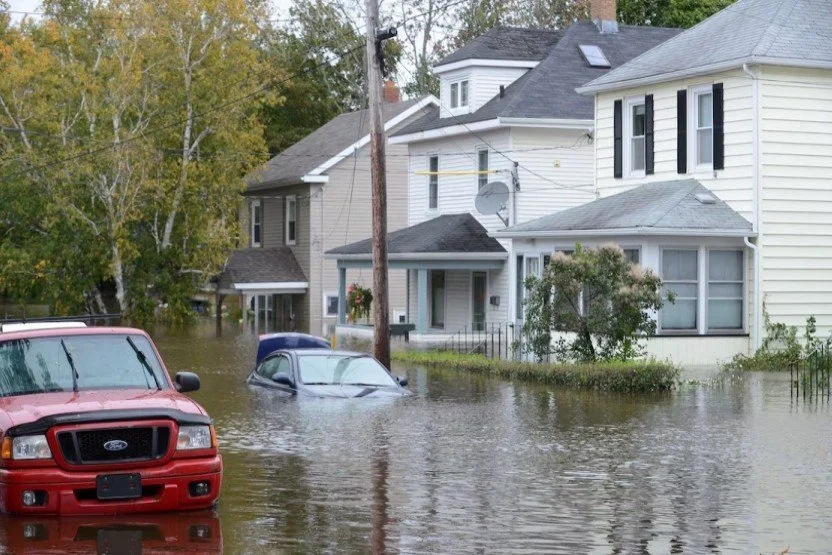
Floods: Know Your Risks, Be Prepared
Flooding can occur from heavy rainfall, overflowing rivers, blocked drainage systems or coastal storm surges. In Shelburne County, flooding can damage homes, wash out roads and disrupt essential services. Knowing your risks and having a plan can help keep you and your family safe during a flood.
1. MITIGATION – Reduce Your Risk
Take steps to protect your home and property before flooding occurs.
Keep gutters, drains and ditches clear of debris.
Ensure water drains away from your home's foundation.
Consider installing a sump pump or backwater valve where appropriate.
Store valuable belongings and hazardous chemicals above potential flood levels.
Identify low-lying areas around your home that may be vulnerable to flooding.
2. PREPAREDNESS – Have a Plan
Planning ahead can make a big difference when flooding threatens your community.
Know if your home or neighbourhood is in a flood-prone area.
Identify evacuation routes that avoid low-lying roads and bridges.
Choose a safe location on higher ground where your household can go.
Prepared a kit of essential items for everyone in your household to last 72hrs.
Make arrangements for pets and family members needing assistance.
Know how to receive official flood warnings and emergency alerts.
3. RESPONSE – Stay Safe
During a flood, protecting yourself and your family comes first.
Monitor official weather warnings and emergency instructions.
Move to higher ground if flooding threatens your safety.
Never walk, swim or drive through floodwater.
Stay away from flooded roads, bridges and fast-moving water.
Follow evacuation orders immediately.
Avoid contact with floodwater, which may contain sewage, chemicals or debris.
4. RECOVERY – Return Safely
Even after floodwaters recede, dangerous conditions may remain.
Wait for official confirmation before returning to evacuated areas.
Watch for structural damage, electrical hazards and contaminated water.
Never enter a flooded basement if electrical equipment may still be energized.
Follow public health guidance before using affected drinking water or handling contaminated materials.
Document property damage and contact your insurance provider.
Clean and dry affected areas promptly and safely to help prevent mold growth.
Flood Safety Starts With You!
Mitigate • Prepare • Respond • Recover
For official weather warnings, visit Environment and Climate Change Canada. For emergency information and evacuation updates, visit Emergency Info Nova Scotia.
In an emergency, call 911.