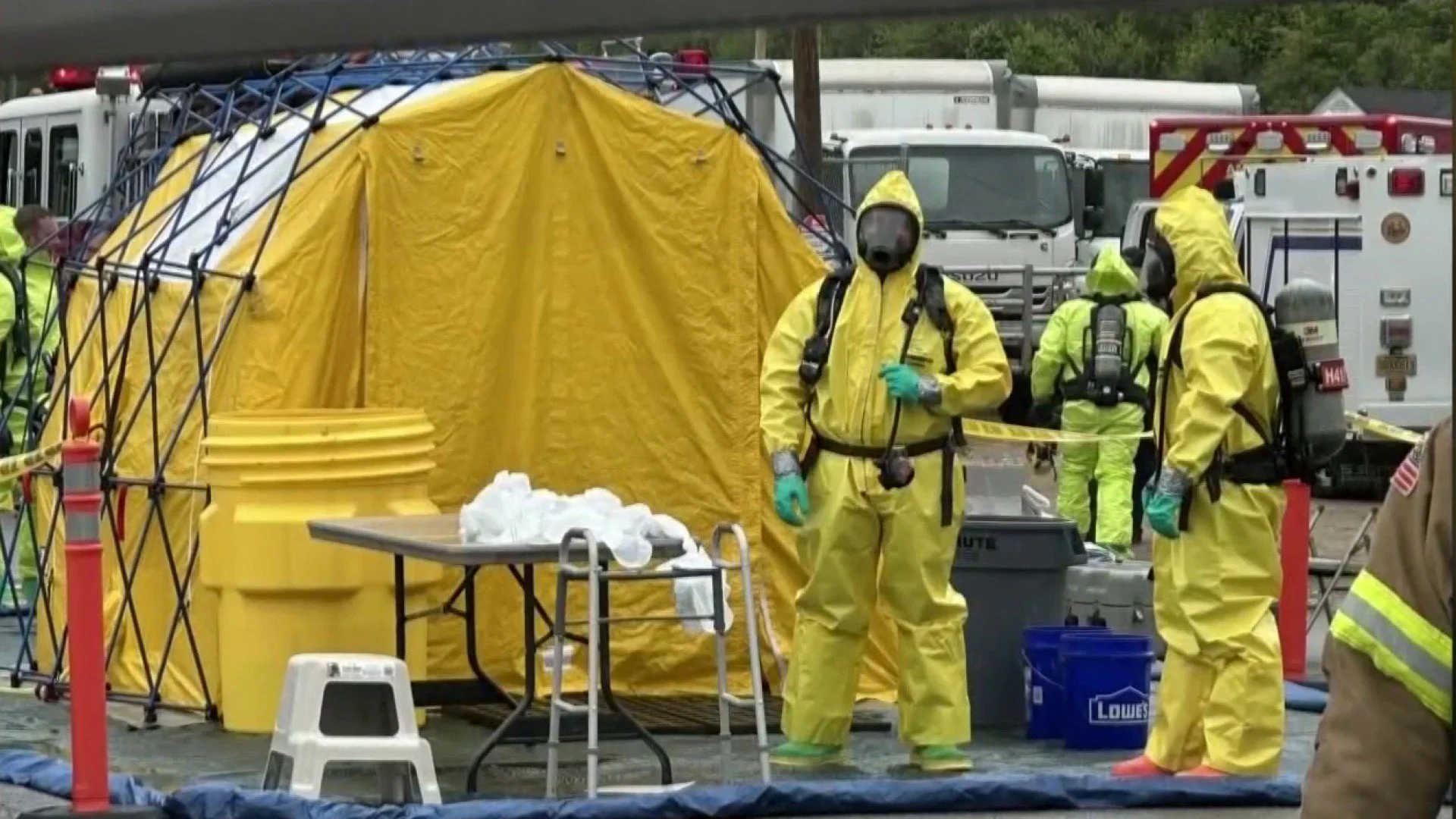
Hazardous Chemical Spills: Know Your Risks, Be Prepared
Hazardous chemical spills can occur during transportation accidents, industrial activities or incidents involving fuel and chemical storage. Spills may release dangerous fumes, contaminate water or soil, and create fire or explosion hazards. Knowing how to protect yourself and your family can help reduce the risks during a chemical emergency.
1. MITIGATION – Reduce Your Risk
Take steps to reduce the chance of a hazardous chemical incident.
Store household fuels, chemicals and pesticides safely in their original containers.
Keep chemicals away from heat sources, drains and waterways.
Never mix chemicals or dispose of them improperly.
Be aware of nearby facilities or transportation routes where hazardous materials may be present.
2. PREPAREDNESS – Have a Plan
Knowing what to do before a chemical emergency can help protect your household.
Understand the difference between sheltering in place and evacuating.
Identify a room where your family could shelter indoors, away from outside air.
Know how to shut off ventilation systems that bring outside air into your home.
Plan evacuation routes and a safe place to go if directed to leave.
Know how to receive official emergency alerts and instructions.
3. RESPONSE – Protect Yourself
During a hazardous chemical spill, follow emergency instructions immediately.
Stay away from the spill. Do not touch, smell or attempt to clean up unknown chemicals.
If outdoors, move away from the affected area, preferably upwind and uphill, when safe.
If instructed to shelter in place, go indoors, close windows and doors, and turn off ventilation systems that draw in outside air.
If ordered to evacuate, leave immediately using the routes directed by officials.
Avoid driving or walking through contaminated areas.
If exposed to chemicals, move to fresh air when safe and follow emergency personnel's decontamination instructions.
4. RECOVERY – Return Safely
Chemical hazards may remain after the immediate emergency has ended.
Wait for official confirmation before returning to affected areas.
Avoid contact with contaminated soil, water, buildings or materials.
Follow public health advice regarding drinking water and food safety.
Do not attempt to clean up hazardous substances without professional guidance.
Document property damage and contact your insurance provider.
Seek medical advice if you experience symptoms following a possible exposure.
Chemical Spill Safety Starts With You!
Mitigate • Prepare • Respond • Recover
For official emergency information and public safety instructions, visit Emergency Info Nova Scotia.
If you discover a suspected hazardous chemical spill, move to a safe location and call 911.