Hurricanes & Storm Surges: Know Your Risks, Be Prepared
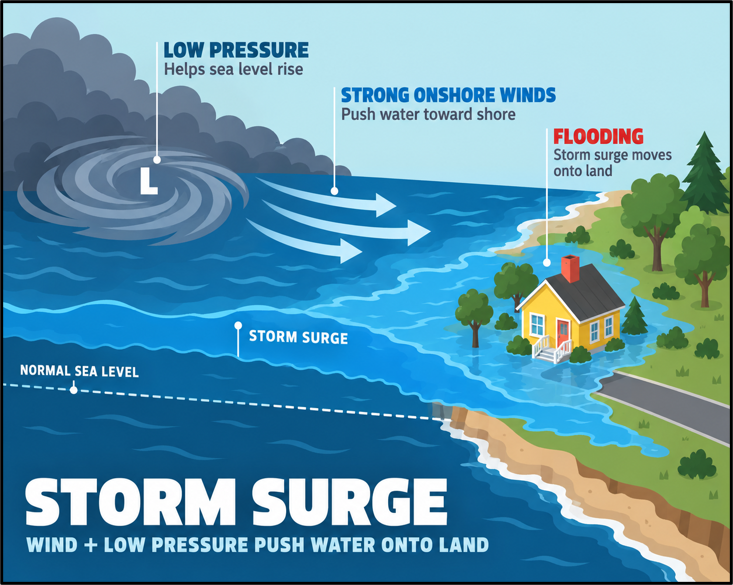
Hurricanes can bring powerful winds, heavy rainfall, flooding and extended power outages. Along Shelburne County's coastline, storm surges can cause dangerous flooding, damage coastal properties and cut off roads. Knowing your risks and having a plan can help keep you and your family safe.
1. MITIGATION – Reduce Your Risk
Take steps to protect your home and property before a storm arrives.
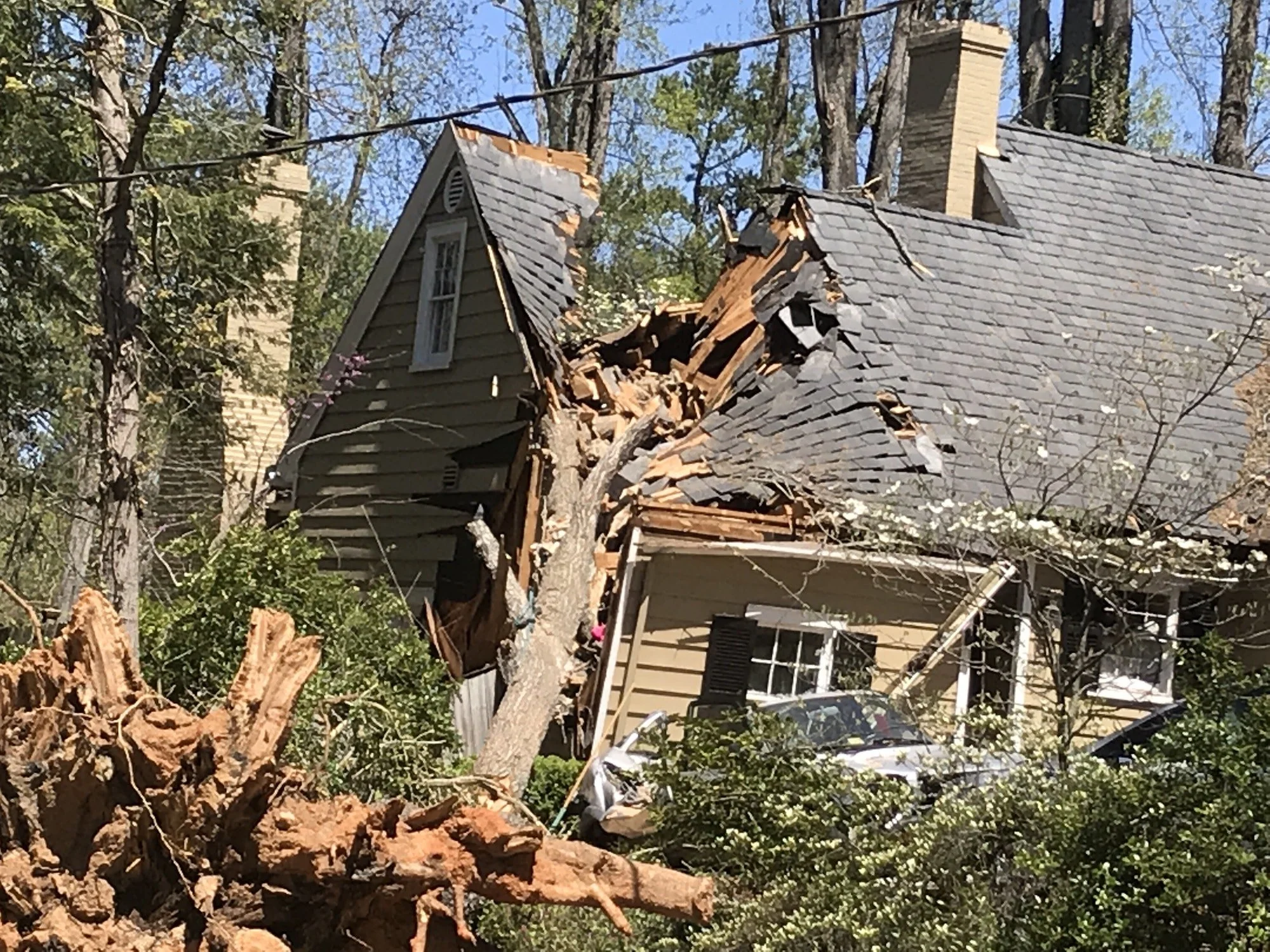
Trim overhanging branches and remove dead or damaged trees.
Keep gutters, drains and ditches clear of debris.
Inspect your roof, windows and doors for damage.
Secure outdoor furniture, boats and other loose objects.
If you live near the coast, identify areas of your property at risk from storm surge and flooding.
2. PREPAREDNESS – Have a Plan
Planning ahead can make a big difference when severe weather approaches.
Know if your home or community is vulnerable to coastal flooding.
Identify evacuation routes and a safe place to stay, preferably inland and on higher ground.
Make arrangements for pets and family members needing assistance.
Discuss your household's emergency plan before hurricane season.
Prepared a kit of essential items for everyone in your household to last 72hrs.
Know how to receive official weather warnings and emergency alerts.
3. RESPONSE – Stay Safe
During a hurricane or storm surge, protecting yourself and your family comes first.
Stay indoors and away from windows during severe winds.
Monitor official weather warnings and emergency alerts.
Stay away from shorelines, beaches and coastal roads.
Never drive or walk through floodwater.
Follow evacuation orders immediately and move to higher ground when directed.
Stay clear of fallen trees, damaged structures and downed power lines.
4. RECOVERY – Return Safely
Even after the storm passes, dangerous conditions may remain.
Wait for authorities to confirm it is safe before returning to evacuated areas.
Watch for washed-out roads, fallen trees and damaged power lines.
Inspect your home for flooding or structural damage before entering.
Avoid using floodwater-contaminated wells until the water is confirmed safe.
Document property damage and contact your insurance provider.
Check on neighbours who may need assistance.
Hurricane Safety Starts With You!
Mitigate • Prepare • Respond • Recover
For official weather warnings, visit Environment and Climate Change Canada. For emergency information and evacuation updates, visit Emergency Info Nova Scotia.
In an emergency, call 911.